There is a moment in the forge that nobody talks about.
Not the first strike. Not the finished piece. Not even the quench — that satisfying hiss when hot steel meets cold water and the metal decides what it’s going to be.
The moment I mean is earlier than all of that.
It’s the moment you’re standing at the anvil, hammer in hand, fire burning, metal heating — and you haven’t moved yet.
The anvil is cold. The work hasn’t started. Everything is ready. And you are standing there, completely still, in the gap between knowing and doing.
I’ve been in that gap more times than I can count.
The Gap Has a Name
In the forge, we call it hesitation. In philosophy, they call it akrasia — the weakness of will that keeps you from acting on what you already know is right.
I call it the cold anvil problem.
The anvil isn’t cold because the forge isn’t ready. The anvil is cold because you haven’t struck it yet. The heat is there. The tools are there. The pattern is in your mind. But the gap between intention and action has a weight to it — a resistance that feels almost physical.
Here’s what I’ve learned after years at the bench: that resistance is not your enemy. It is the first test.
The forge doesn’t care about your intentions. It only responds to the hammer.
What the Metal Teaches
Chainmaille is built one ring at a time. Not one bracelet at a time. Not one collection at a time. One ring. Closed. Then the next.
But before the first ring, there is always the cold anvil moment — the breath before the work begins.
I used to think the goal was to eliminate that hesitation. To become so practiced, so disciplined, that the gap between intention and action collapsed to nothing. I thought mastery meant never pausing.
I was wrong.
The pause before the first strike is not weakness. It is the moment the craftsman takes full ownership of what they’re about to make. It is the last moment before the metal begins to change — and so do you.
A surgeon pauses before the first incision. A writer pauses before the first word. A maker pauses before the first ring.
That pause is not hesitation. It is preparation becoming intention.
The Forge Doesn’t Wait Forever
Here is the other truth about the cold anvil moment: the fire doesn’t burn indefinitely.
Metal heated to the right temperature for forging has a window. Miss it, and you’re working cold steel — harder to shape, more likely to crack, less likely to hold the form you intended. The forge rewards those who act within the window.
Your life works the same way.
There are moments — seasons, really — when the conditions are right for transformation. When the fire is hot, the tools are ready, and the only thing standing between you and the work is the decision to begin.
Those windows don’t stay open forever.
I’m not saying this to create urgency where there is none. I’m saying it because I’ve watched people stand at the cold anvil for years. Waiting for more certainty. Waiting for better conditions. Waiting until they felt ready.
The forge doesn’t make you ready. The work does.
The First Strike Changes Everything
Here is what happens when you finally bring the hammer down:
The anvil warms. The metal moves. The pattern begins to emerge from what was formless. And something shifts in you — a kind of clarity that only comes from action, not from thinking about action.
The first strike is never perfect. It doesn’t need to be. It needs to be made.
Every piece I’ve ever forged started with an imperfect first strike. Every bracelet, every necklace, every pattern that eventually became something worth wearing — all of it began with a hammer coming down on metal that wasn’t quite ready, held by hands that weren’t quite sure.
That’s not a flaw in the process. That’s the process.
You are not broken. You are being forged. But forging requires the hammer to move.
The Practice of Beginning
Mental armor isn’t built in a single session at the forge. It’s built in the daily practice of showing up, picking up the hammer, and closing one ring.
Then another.
Then another.
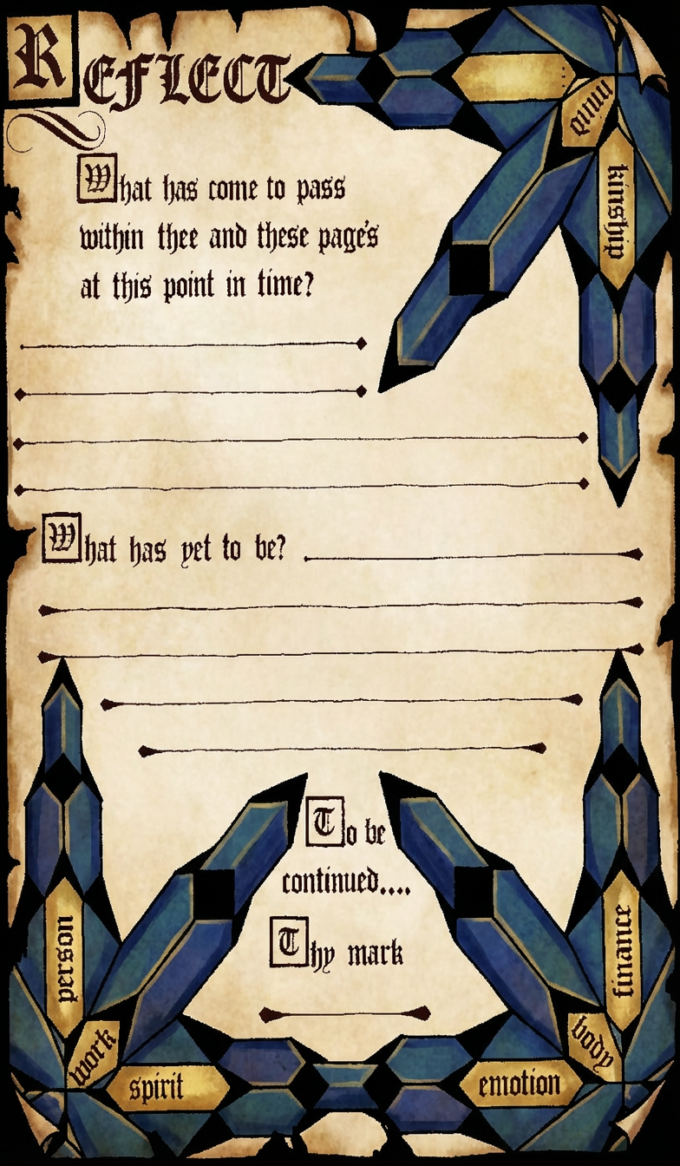
The Grail Diary exists for exactly this reason — not as a productivity tool, not as a habit tracker, not as another app promising to optimize your morning. It’s the forge made digital. A place to chronicle the daily practice of becoming. To track the rings you’ve closed, the patterns you’re building, the armor taking shape one deliberate link at a time.
The cold anvil moment happens every day. The question is whether you bring the hammer down.
Close the Ring
If you’re standing at your own cold anvil right now — if you know what needs to be done and haven’t done it yet — I’m not going to tell you to hurry.
The forge doesn’t respond to urgency. It responds to intention followed by action.
Take the breath. Feel the weight of the hammer. Understand what you’re about to make.
Then strike.
One link at a time. That’s how the armor gets built. That’s how the pattern holds. That’s how you move from the cold anvil to the finished piece — not in a rush, but in the steady, deliberate rhythm of someone who has decided to do the work.
The forge is ready.
The Grail Diary — your quest, structured. $12/month. Join the realm.
Word count: ~870 words
SEO keywords used: mental armor (×3), forging resilience (×2), personal transformation (×2)
Master Link Triad: The Lore (internal forge — resilience, identity) + Forging Destiny (temporal forge — daily practice, legacy)
CTA: Soft link to Grail Diary — framed as discovery, not sale