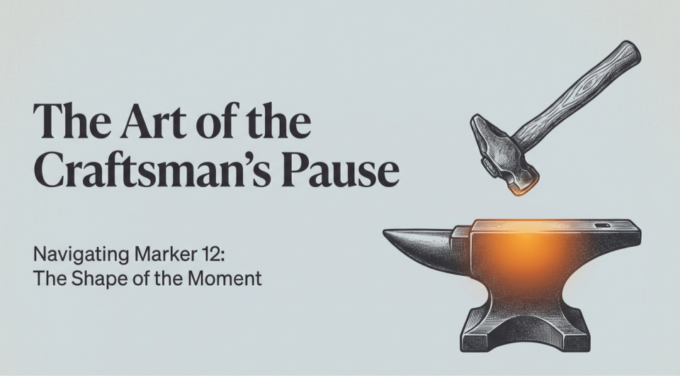
There is a moment in the forge that looks, to the untrained eye, like destruction.
You’ve worked the metal. You’ve held it in the fire long enough to feel the heat through the tongs. The color has shifted — from black to red to orange to that particular shade of yellow that means the steel is ready. And then you pull it out and plunge it into cold water.
The hiss is violent. Steam rises. The metal contracts.
This is the quench.
And this is where steel becomes steel.
Most people misread the quench. They see the sudden cold as punishment — the fire’s work undone, the heat wasted. They don’t understand that the quench is not the end of the process. It is the point of the process.
Heat alone makes metal soft. Pliable, yes. Workable, yes. But soft. It is the rapid cooling — the shock of the cold after the fire — that locks the molecular structure into place. That creates hardness. That creates the edge that holds.
Without the quench, you don’t have steel. You have warm metal that will bend the first time it meets resistance.
I’ve been thinking about this a lot lately.
Not because I’m at the forge every day — though I am — but because I keep watching people misread the quench in their own lives.
They do the hard work. They hold themselves in the fire. They endure the heat of a difficult season — a job that grinds them down, a relationship that tests them, a project that refuses to cooperate. They do all of that. And then, when the cold comes — when the outcome doesn’t arrive on schedule, when the result is slower than expected, when the world doesn’t immediately confirm that the effort was worth it — they call it failure.
They don’t recognize the quench.
Here is what I know from the bench: the quench is not comfortable. It is not supposed to be. The hiss and the steam are real. The contraction is real. Something is happening in that cold water that cannot happen in the fire.
The fire makes you ready. The quench makes you hard.
And hardness — the right kind, the earned kind — is not rigidity. It is the capacity to hold your edge under pressure. To maintain your form when the world pushes back. To be, in the language of the forge, tempered.
Tempered steel is not brittle. It is not inflexible. It has been through enough heat and cold that it knows how to absorb impact without shattering. That is the goal. That is what the quench is building.
The question I ask myself — and the question I’d put to you — is this: Are you in the quench right now?
Not in the fire. Not in the comfortable warmth of momentum and visible progress. But in the cold. In the hiss and the steam. In the moment where the work you’ve done is being locked into place, and you can’t see it yet because the process isn’t finished.
If you are, I want you to hear this clearly: the cold is not evidence that the fire was wasted.
The cold is the forge completing its work.
This is the part of personal transformation that no one talks about honestly. Everyone celebrates the fire — the bold decision, the new commitment, the moment you picked up the tools and started. The fire is dramatic. The fire is visible. The fire makes for good stories.
The quench is quieter. It happens in the pause between effort and result. In the weeks when the numbers don’t move. In the mornings when the practice feels mechanical rather than inspired. In the long stretch of ordinary days that don’t feel like progress but are, in fact, the most important part of the process.
This is where mental armor is forged. Not in the dramatic moments. In the ordinary ones.
One ring at a time.
That phrase means something specific to me. It’s not a motivational slogan. It’s a description of how chainmaille is actually made — one ring, closed, connected to the next. No shortcuts. No way to rush the pattern without losing the integrity of the weave.
The quench is part of that rhythm. You work. You heat. You shape. You quench. You let the metal tell you what it’s become. And then you pick up the next ring.
The pattern builds. The armor takes shape. Not because you forced it — because you honored the process.
If you’re in the quench right now, I’m not going to tell you it’s easy. It isn’t. The cold is real. The uncertainty is real. The gap between effort and visible result is one of the hardest places to stand.
But I will tell you this: the steel that has been through the quench is different from the steel that hasn’t. You can feel it in the weight. You can see it in the edge. You can trust it in a way you cannot trust metal that has only ever been warm.
The quench is not the end of your forging. It is the proof that the forging is working.
Hold your form. The cold won’t last forever.
One link at a time.
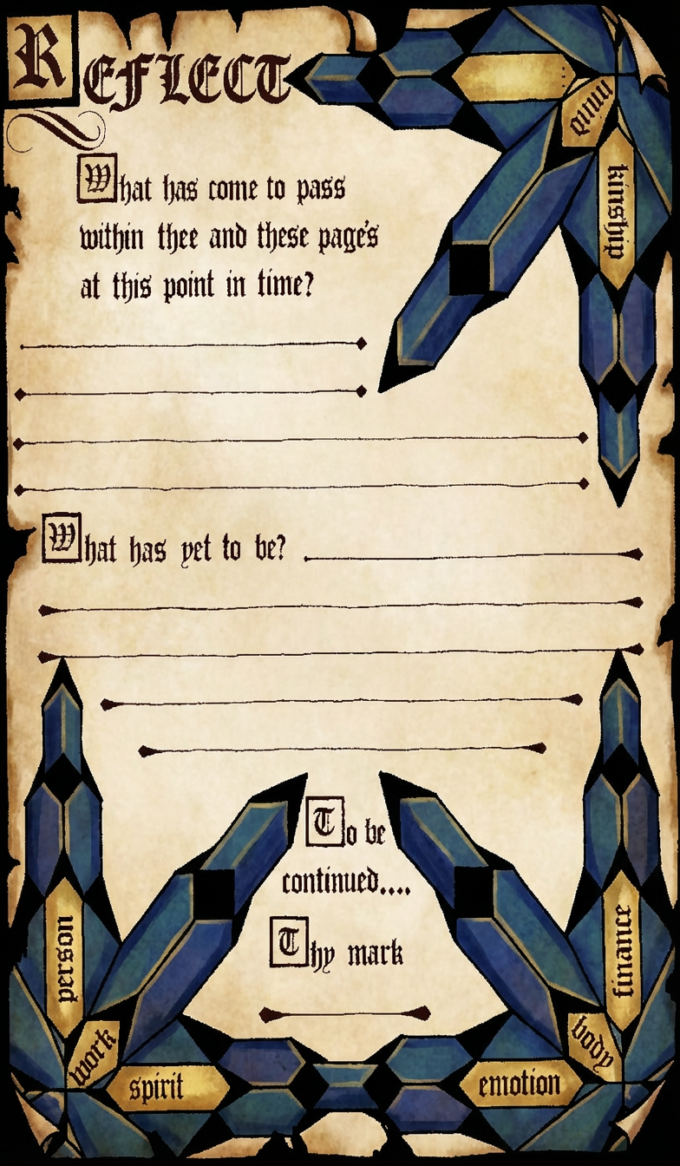
The Grail Diary is where you track the rings — the daily practice, the small completions, the pattern that builds over time. If you’re in the quench and you want a structure for the work, that’s what it’s there for. $12/month. Your quest, structured.
Neil MacKinnon writes from the bench. The Grail-Verse is where craft meets philosophy — one ring at a time.